Glucose Metabolism
How the body processes glucose, and the botanicals studied for it.*

Glucose metabolism in plain English
“Glucose metabolism” covers everything your body does with sugar: absorbing it from food, moving it into cells with insulin's help, burning it for energy and storing the extra. When any step works less efficiently, blood sugar can stay higher for longer after meals.
Why berberine gets so much attention
Berberine is a plant compound from barberry, goldenseal and similar plants. Lab research links it to AMPK, an enzyme sometimes called the cell's energy sensor that helps regulate how cells take up and use glucose. In people, a 2019 meta-analysis of 28 randomized trials looked at its effect on fasting glucose, post-meal glucose and HbA1c in adults with type 2 diabetes.
Researchers also point out real limitations, including variable study quality and short trial lengths, so berberine is promising rather than proven.
Gymnema's supporting role
Gymnema has been studied both for its effect on sweet taste and for glucose markers. A 2021 meta-analysis of 10 studies reported improvements, while calling for larger, better-designed trials.
Related pages
*These statements have not been evaluated by the Food and Drug Administration. This product is not intended to diagnose, treat, cure, or prevent any disease.
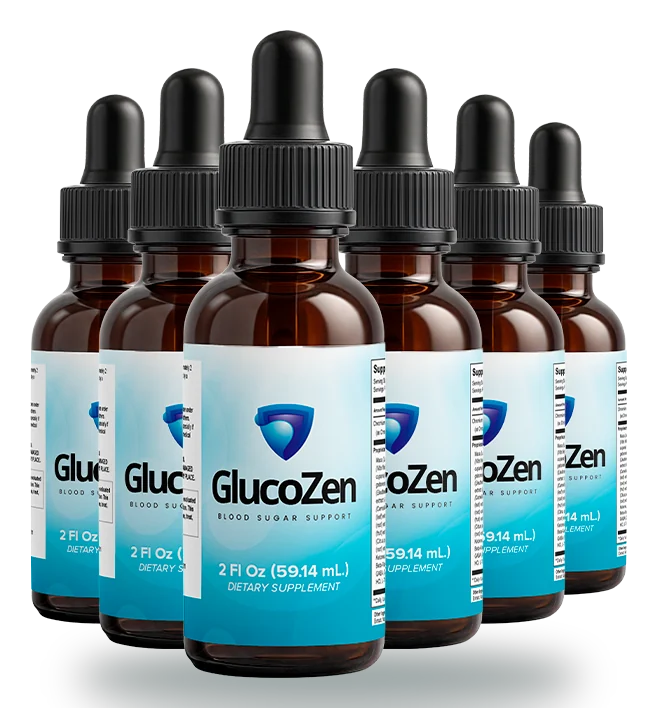
Ready to start your GlucoZen routine?
Pick the package that suits you. Every order is covered by the 60-day money-back guarantee.